
After years of discussion, negotiation, and political debate, the European Union has reached a milestone moment for medicines policy. The revision of EU pharmaceutical legislation—first launched by the European Commission in 2020 and formally proposed in 2023—has now reached a political agreement between EU institutions. This reform is widely recognised as the most far-reaching overhaul of Europe’s pharmaceutical framework in more than two decades.
The need for reform has been driven by profound changes in the healthcare landscape since the early 2000s: rapid scientific innovation, growing unmet medical needs, persistent medicine shortages, unequal access across countries, and increasing pressure on health systems. At the same time, recent crises, including the COVID-19 pandemic, exposed vulnerabilities in medicine supply chains and highlighted the importance of stronger EU-level coordination.
Against this backdrop, the European Medicines Agency (EMA) has welcomed the agreement as a critical step toward modernising how medicines are developed, assessed, approved, and supplied across Europe. While much of the public debate has focused on regulation, incentives, and the impact on industry, the ultimate purpose of the reform is to improve outcomes for patients.
Here is what the reform could mean in practical terms for people who rely on medicines every day.
One of the central aims of the new legislation is to reduce the time it takes for medicines to reach patients. Regulatory procedures will be being streamlined, and assessment timelines for new medicines at EU level are expected to shorten. For patients, this means that innovative treatments—particularly those addressing serious or life-threatening conditions—could become available sooner, without compromising safety or scientific standards.
Medicine shortages have become an increasingly visible problem across Europe, directly affecting patients’ ability to continue treatment.
The new legislation strengthens obligations on pharmaceutical companies to:
In addition, a new EU-level focus on “critical medicines” aims to prioritise regulatory and policy action where shortages would have the greatest patient impact.
Patients in different EU member states often experience significant differences in when, and whether, new medicines become available. The reform seeks to reduce these disparities by creating clearer expectations around availability and by aligning incentives with broader EU access. Over time, this could help ensure that patients in smaller or less well-resourced countries are not left behind when new treatments are introduced.
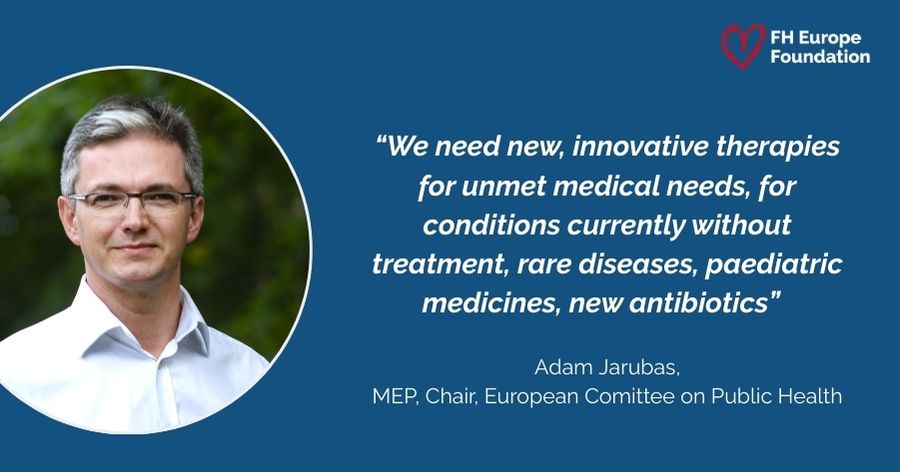
The agreement places greater emphasis on medicines that address unmet medical needs, including treatments for rare diseases, complex conditions, and patient populations that have historically been underserved. New regulatory tools and support mechanisms are intended to encourage the development of innovative therapies, including advanced and personalised medicines that do not always fit neatly into existing regulatory frameworks.
Digitalisation is a key feature of the reform. Product information, such as package leaflets and safety updates, will increasingly be available in electronic formats.
For patients, this should mean:
Importantly, the reforms do not lower the bar for medicine approval. Scientific evaluation, benefit–risk assessment, and post-marketing safety monitoring remain central to the EU system. Patients can expect that medicines approved under the new framework will continue to meet robust standards for quality, safety, and effectiveness.
The legislation also includes measures aimed at protecting long-term patient interests, such as:
These steps are designed to safeguard the effectiveness of treatments not just today, but for future generations.
While the political agreement is an important milestone, the legislation still needs to be formally adopted and implemented. Many of the patient-relevant benefits will depend on how the new rules are applied in practice at EU and national levels.
For patients, the promise of the reform is clear: quicker access to medicines, fewer shortages, fairer availability across Europe, and continued trust in the safety of treatments.
The real test will be whether these ambitions translate into tangible improvements in patients’ everyday experience of care.
Prepared by
 Dr. Marina Leroy,
FH Europe Foundation Scientific Communications Manager