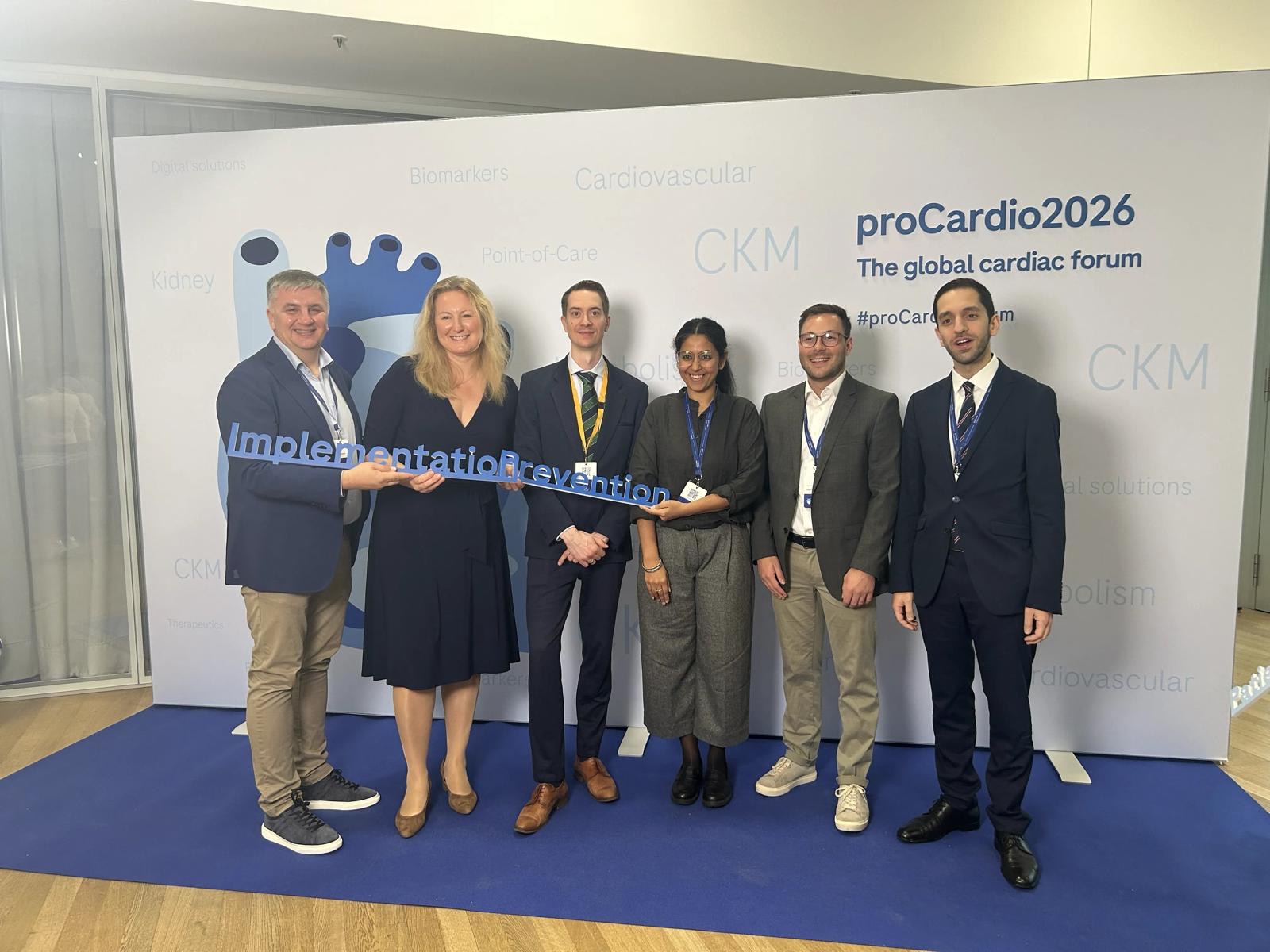
FH Europe Foundation joined international cardiovascular and metabolic health experts at the 14th proCardio symposium in Basel, bringing the patient perspective into discussions on scientific innovation, early detection, integrated care and health policy.
What initially appeared to be a highly specialised scientific meeting turned out to be an exceptionally informative, thought-provoking and relevant forum for FH Europe Foundation (FHEF).
Organised by Roche Diagnostics at its headquarters in Basel, Switzerland, on October 7-8, the 14th international proCardio symposium brought together approximately 150 clinicians, researchers and international experts to explore advances in cardiovascular diagnostics, biomarkers, treatment strategies and prevention. This year's programme focused on cardiovascular-kidney-metabolic (CKM) syndrome, recognising the interconnected nature of cardiovascular disease, diabetes, obesity, kidney disease and other cardiometabolic conditions. For FHEF, the meeting offered an opportunity to explore developments beyond inherited lipid disorders, engage with experts across medical specialties and demonstrate the contribution of patient organisations to science, prevention and health policy.
One of the central messages emerging from proCardio 2026 was the need to move beyond traditional disease-specific approaches. Cardiovascular, kidney and metabolic conditions frequently coexist and share common risk factors and biological pathways. Yet healthcare systems and clinical specialties often remain organised around individual diseases. The scientific programme illustrated why more integrated approaches are needed, particularly for people living with multiple conditions or overlapping risk factors. Across two days, leading international experts explored advances in cardiovascular risk assessment, heart failure, diabetes, obesity, hypertension, kidney disease and early detection.
Among the programme highlights:
For people living with inherited lipid disorders, this broader perspective is particularly relevant. Genetic risk does not exist in isolation, and understanding how it interacts with other cardiovascular and metabolic factors is essential to more personalised prevention and care.
The discussions also highlighted a recurring challenge: despite remarkable scientific and technological advances, translating evidence into routine clinical practice remains difficult. Access, reimbursement, professional education and integration into existing care pathways are all critical to ensuring that innovation benefits patients.
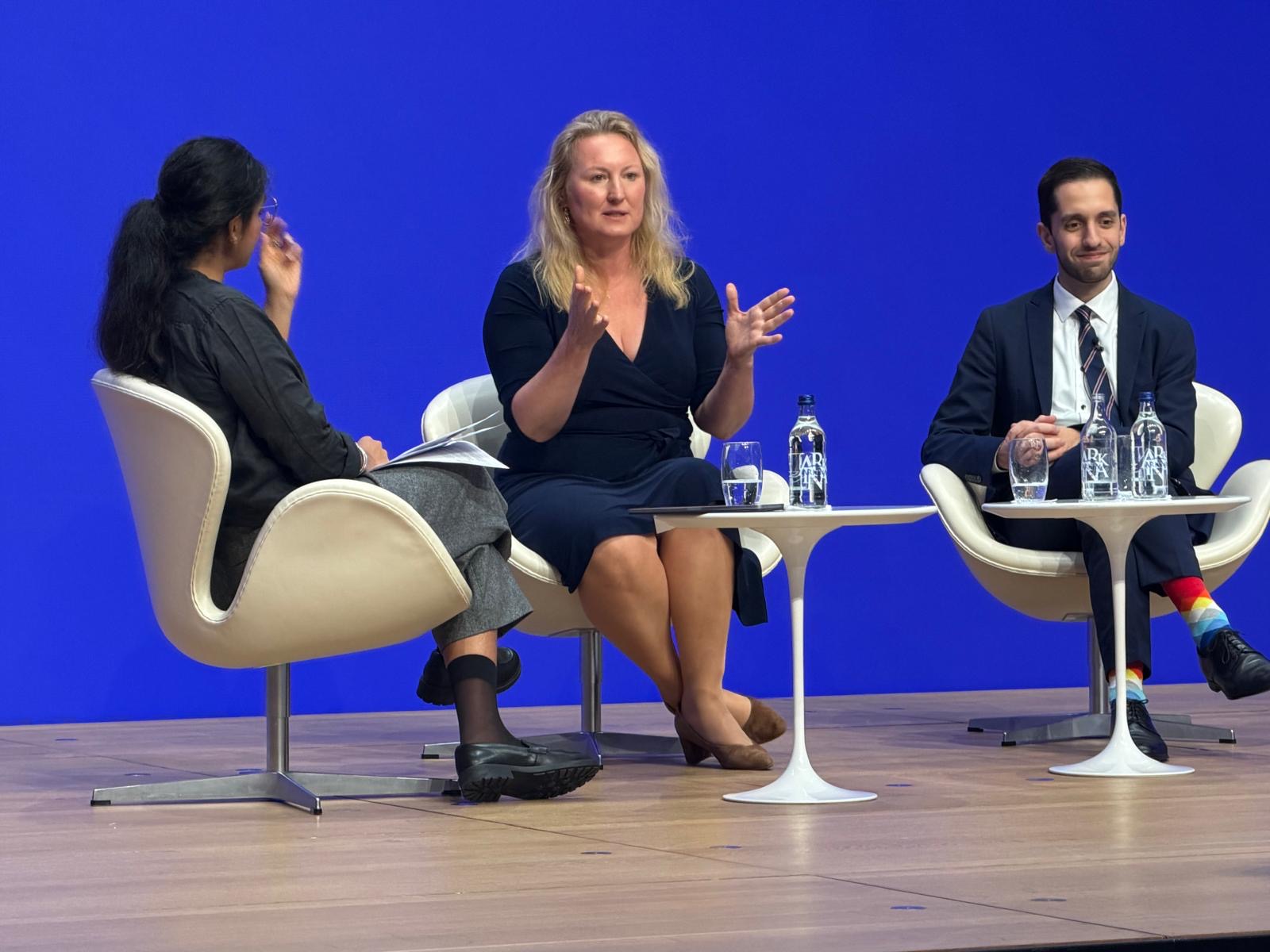
FHEF CEO Magdalena Daccord participated in the symposium, contributing the patient organisation perspective to discussions largely led by clinicians and researchers. Being significantly outnumbered by medical experts while discussing advocacy, prevention and health policy was an interesting experience! Questions about what patient advocacy organisations actually do also served as a reminder that the contribution of organised patient communities is not always fully understood. Yet this is precisely why their participation in scientific forums matters. Patient organisations do much more than raise awareness or share personal experiences. They identify unmet needs, shape research priorities, contribute to evidence generation, connect stakeholders, support health literacy and advocate for changes in healthcare policies and practices. They also bring expertise grounded in the realities of living with a condition, navigating healthcare systems and understanding the barriers faced by patients and families. Meaningful patient involvement is not simply about having a patient representative in the room. It is about recognising patients and advocates as contributors to scientific, clinical and policy discussions.
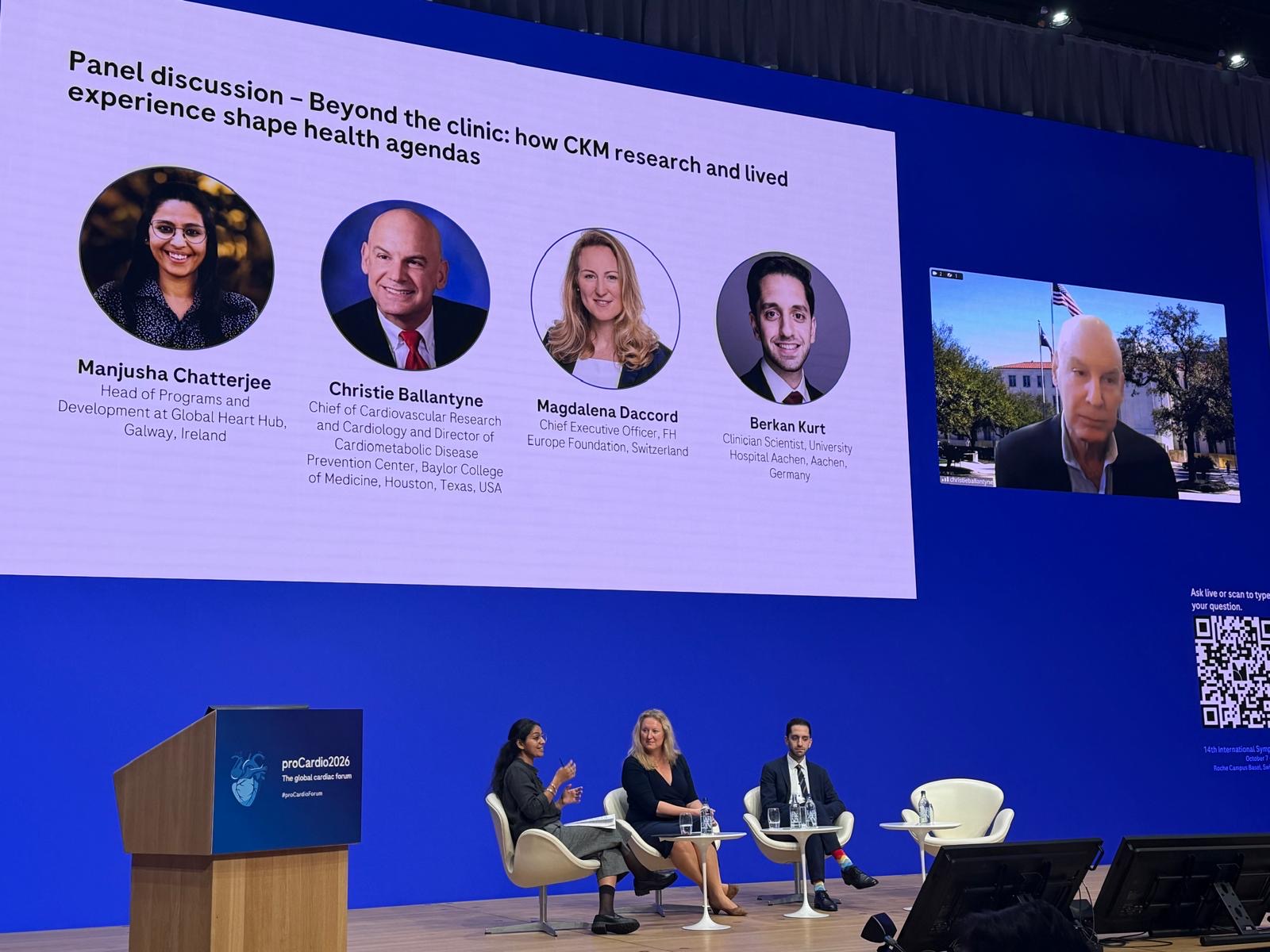
The symposium concluded with a panel discussion entitled “Beyond the Clinic: How CKM Research and Lived Experience Shape Health Policy Agendas.” Moderated by Manjusha Chatterjee of Global Heart Hub, the panel brought together Professor Christie Ballantyne, Dr Berkan Kurt and Magdalena Daccord to explore how scientific evidence, clinical expertise and lived experience can inform health policy. Drawing on FHEF's experience, Magdalena highlighted the journey from patient-identified unmet needs to international advocacy, scientific collaboration, health-economic evidence and European policy developments. The work of the Lp(a) International Task Force, the Brussels International Declaration on Lp(a) Testing and Management, and the international cost-effectiveness study of Lp(a) testing in primary prevention provided concrete examples of this process. These initiatives form part of a broader effort to improve the recognition and management of elevated Lp(a), a common but frequently overlooked inherited cardiovascular risk factor. The discussion also addressed important recent European policy developments. The EU Safe Hearts Plan, published in December 2025, recognises inherited cardiovascular risk, including familial hypercholesterolaemia (FH) and elevated lipoprotein(a) [Lp(a)], within its prevention and early detection agenda. This was followed by the European Commission's 28 September 2026 proposal for a Council Recommendation on cardiovascular health checks, which specifically addresses Lp(a) testing. For the patient community, these developments represent important progress. However, European policy recognition is not the same as national implementation. National policymakers, healthcare systems and clinical communities must now determine how recommendations can be translated into accessible testing, appropriate risk assessment, follow-up and care. Scientific evidence also continues to evolve. Outcomes from cardiovascular clinical trials, including those investigating Lp(a)-lowering interventions, may influence future clinical recommendations and policy decisions. The next challenge is to turn growing scientific knowledge and European policy recognition into meaningful and equitable prevention pathways.
Beyond the presentations, proCardio offered valuable opportunities to exchange perspectives with experts working across cardiovascular, kidney and metabolic health. For FHEF, engaging with cardiologists, diabetologists, nephrologists, primary care professionals and researchers beyond the traditional lipidology community opened new possibilities for collaboration. It also reinforced the importance of bringing different forms of expertise together, including those of patients and advocates, when developing research priorities, diagnostic approaches and healthcare strategies. The symposium demonstrated that innovation is not only about new biomarkers, diagnostic technologies or treatments. It is also about how we collaborate, recognise different forms of expertise and translate knowledge into better health outcomes.