
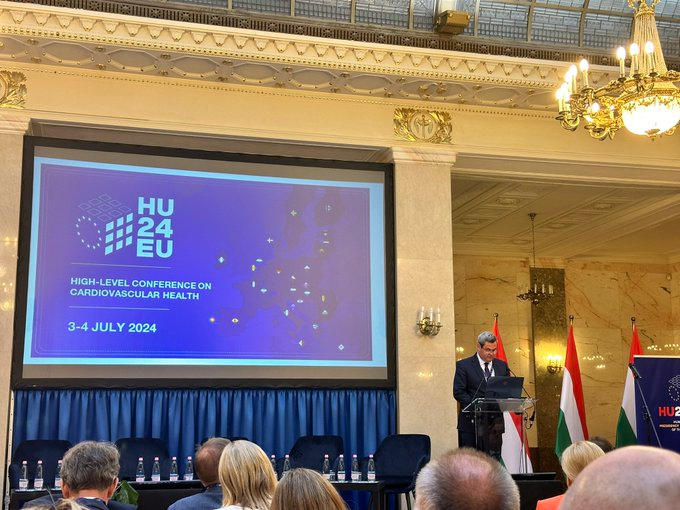
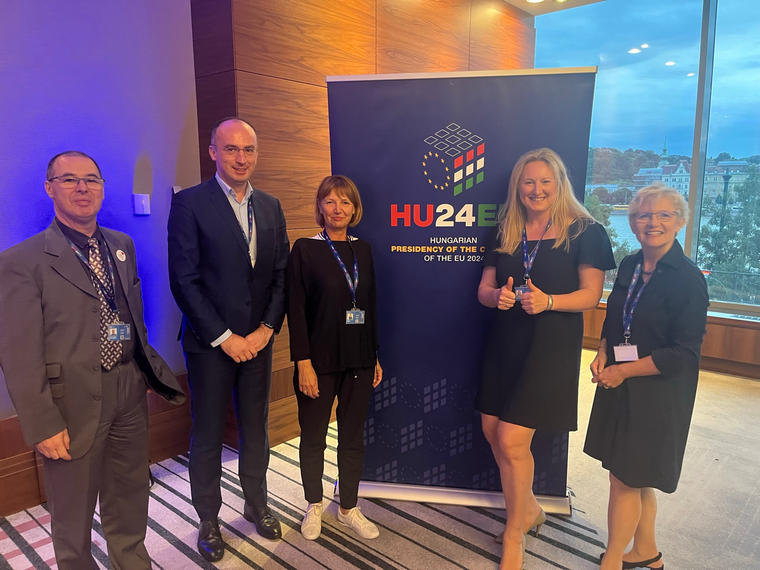
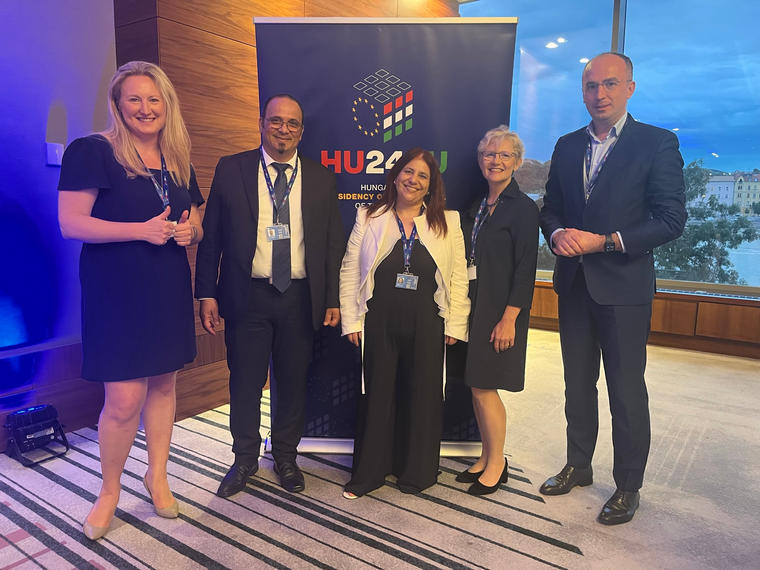
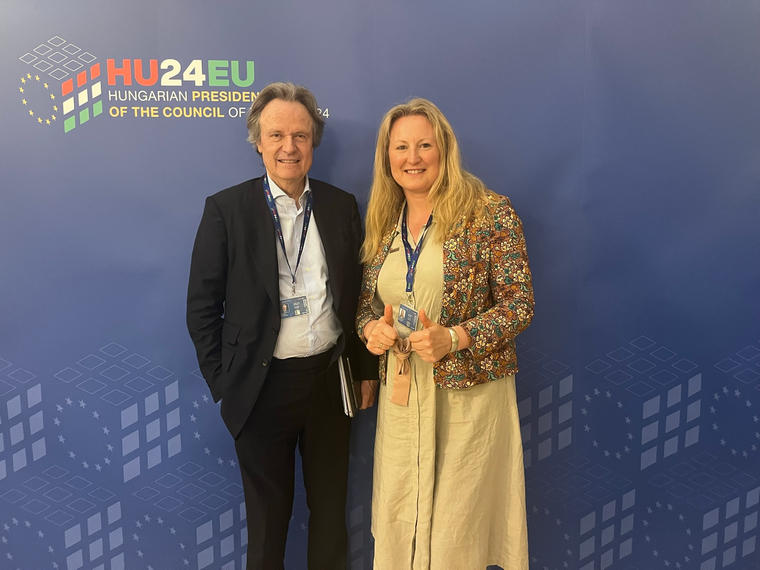
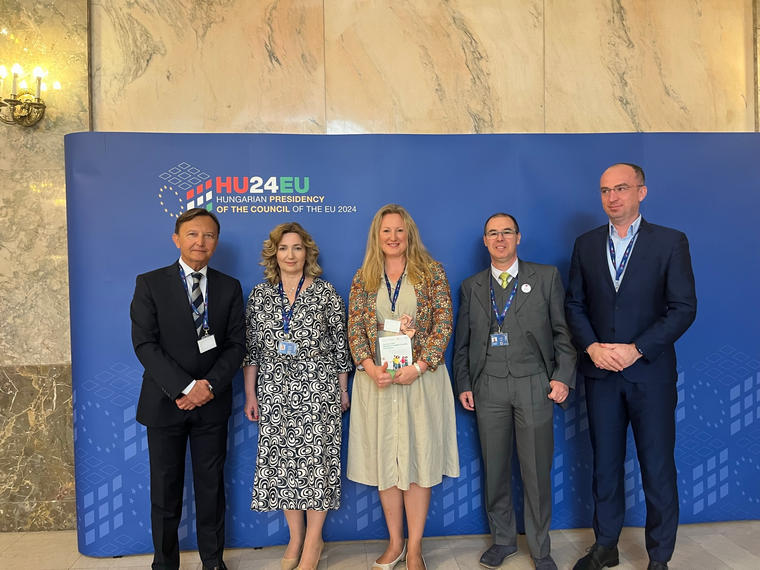
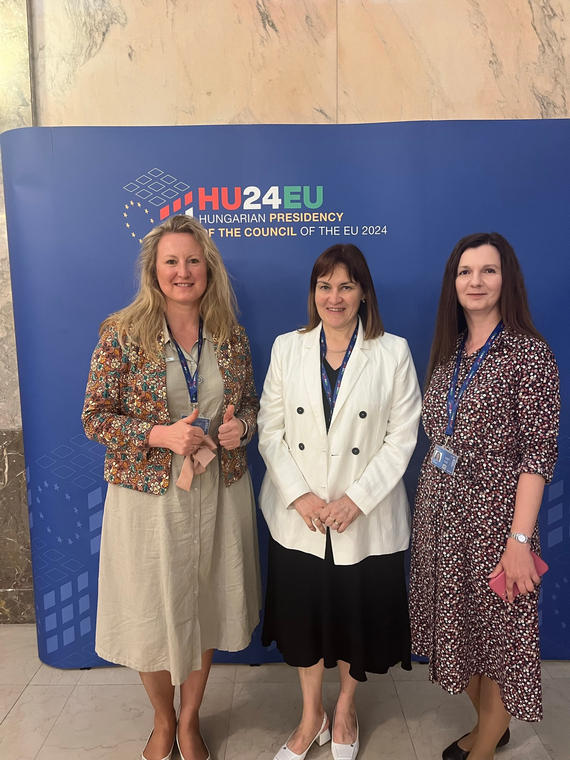
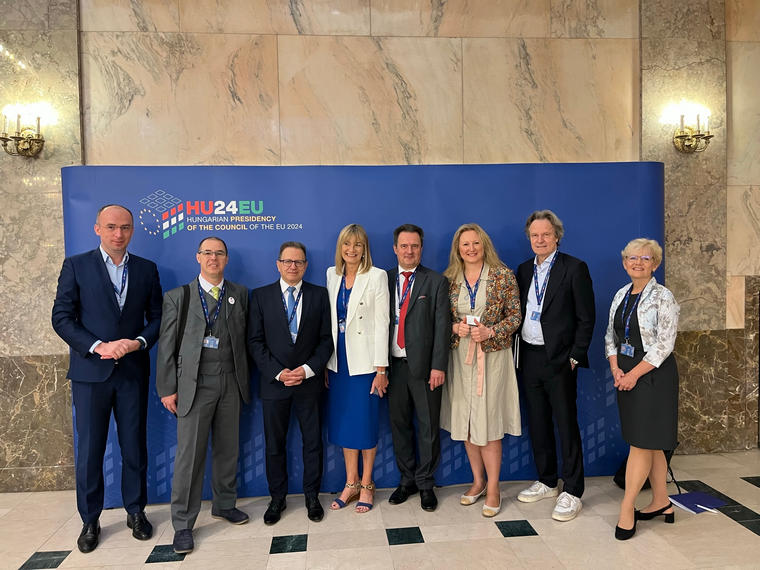
On July 4th, the Hungarian EU Presidency kicked off with a landmark event focused on cardiovascular health (CVH), held at the Ministry of Interior in Budapest. This high-level meeting, organised in collaboration with the European Society of Cardiology, emphasized the need for a dedicated European Action Plan on Cardiovascular Health, as advocated by the European Alliance for Cardiovascular Health (EACH). International key stakeholders, including health ministers, health experts, doctors and researchers, leading health organisations like WHO Europe as well as representatives of EACH partner organisations and patient representatives were present. Representing FH Europe Foundation were CEO Magdalena Daccord, Dr Marius Geanta, Chair of FHEF Policy and Innovation Committee, Nicola Bedlington, Senior Policy Advisor, and Dr Ákos Gábor Gesztes /FH Patient Ambassador from the Hungarian Patient Organization and member of the Network.
Dr. Péter Takács, Hungary's Minister of State for Health, opened the event, followed by insights from Prof. Dr. Franz Weidinger, President of the European Society for Cardiology, and Prof. Dr. Béla Merkely, Honorary President of the Hungarian Society of Cardiology. They highlighted the staggering impact of cardiovascular disease, which costs Europe 282 billion euros annually and is responsible for 40% of deaths in women. The event underscored the critical role of air pollution, a topic addressed at COP 28, and the need for more research—currently, only 4% of clinical trials focus on cardiovascular disease. Despite the commonality and cost of rehospitalization, 80% of premature cardiovascular episodes and strokes are preventable.
Watch this 15min Masterclass in compelling data presentation on cardiovascular diseases burden by Prof. Franz Weidinger. The President of ESC underlines the human cost of CVD, the economic burden, disparities (especially gender) and the need for innovation in research and investment in primary and secondary prevention strategies across Europe.
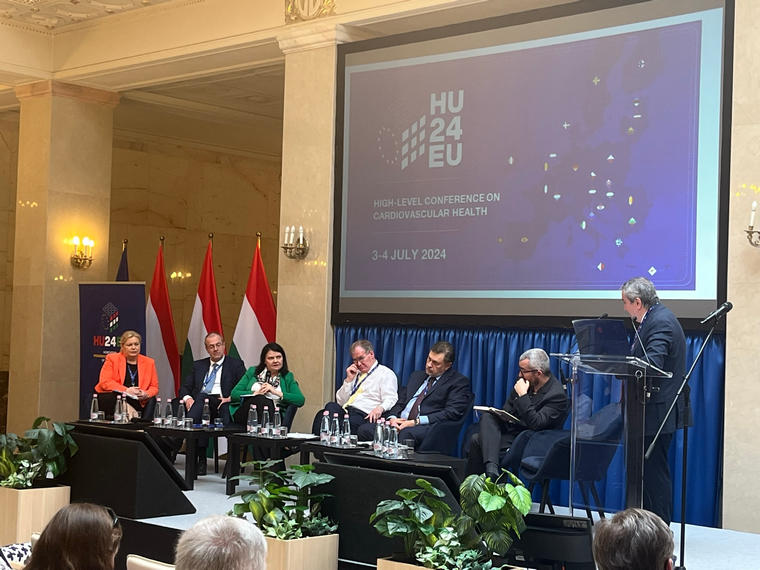
The meeting featured four expert panels discussing and a Ministerial roundtable. These panels framed cardiovascular health as a "path-finder" and emphasized the importance of trust and data-driven health systems.
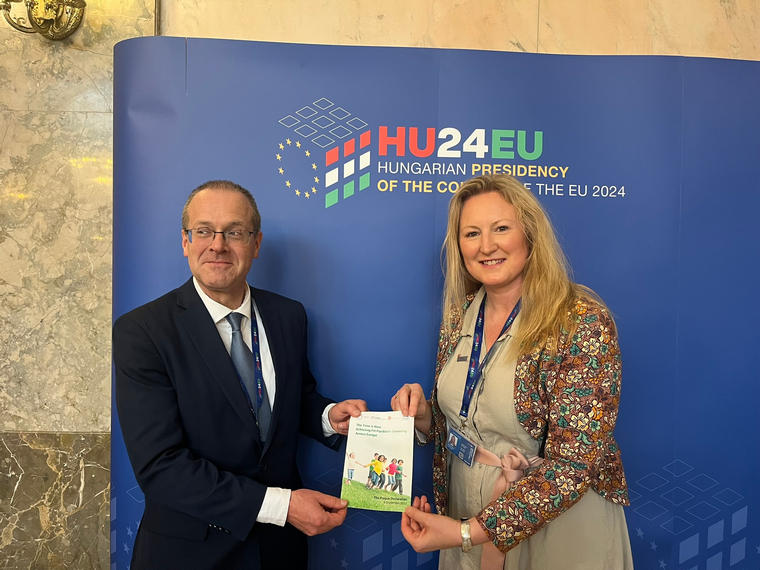
A significant segment of the event was a ministerial roundtable with health ministers from Hungary, Ireland, Poland, Romania, and Spain, alongside Dr Hans Kluge, WHO Regional Director for Europe. The panellist had an opportunity to showcase some of the practises already implemented in their respective countries in the effort to tackle CVD. Yet, it was very clear that more should be happening to resolve the issue. The roundtable affirmed the value of a comprehensive European Action Plan on Cardiovascular Health, advocating for an integrated approach that transcends individual policies and emphasizes collaboration across non-communicable diseases and across different branches of the economy, learning from exciting examples like the cancer plan and showcasing synergies which will drive better, long lasting health outcomes.
The event offered a unique opportunity to discuss with high-level stakeholders the needs and the progress and achievements made in the familial lipids’ advocacy space, which echoed in the sessions.
Although inherited CVD risk factors and genetics were not the focus of session 1, it was great to hear a personal account told in the final remarks by Prof. Dr Paul Dandale. Known for his dedication to prevention and interest in familial hypercholesterolaemia (FH), he shared his experience of some close relations affected with FH and his stance on the need for early screening and detection of genetic high cholesterol.
Specific reference to FH Paediatric Screening was made by Prof. Fausto Pinto, Past President of WHF, in session 2, when talking about secondary prevention and tangible examples of successful implementation in some Member States. In the discussion part of the session, Magdalena Daccord addressed the panellist and the audience highlighting the urgency to act and the importance to consider familial lipid disorders as CVD risk factors which affected us all. Considering the prevalence of elevated Lp(a) and FH, there were potentially 30 people in the plenary room affected with either of the conditions. She then asked about the opportunity to leverage already existing experiences and learnings from best practices implementation in countries like Slovenia, Croatia, Cyprus, as the MoH representatives of those nations were present in the room.
Several informal yet important exchanges dedicated to FH and elevated Lp(a) took place over the networking dinner reception on the evening prior to the conference and continued in the breaks on the day. The Hungarian conference, following the Slovenian technical meeting in 2021, and the Czech Senate meeting in 2022, marks the third EU Presidency high-level event and an important milestone in the mission to prevent the preventable.
The FH Europe Foundation delegation, equipped in Prague Declaration and with PERFECTO FH and the Lp(a) international Taskforce projects as examples, advocated tirelessly for childhood FH screening and was raising awareness of elevated Lp(a) as another independent CVD risk factor requiring urgent attention, actions and investment.
The discussions on the day, both on stage and in the corridors, reinforced the necessity for a standalone cardiovascular health plan, given its profound human and financial impacts. The event concluded with a commitment to make Europe a global leader in cardiovascular research, management, and care, with the emphasis on cardiovascular health. This ambitious vision requires political leadership, belief, and courage to implement a coherent and effective plan.
The Budapest historic event marks a significant stride towards a healthier future for Europe, underscoring the collective commitment to tackling cardiovascular disease through comprehensive and innovative strategies.
The European Cardiovascular Health Plan builds on the ambitions and vision of EACH and provides a strategic framework for Europe and an incentive for developing all-important national plans to tackle early CVD detection, CVD prevention, timely and appropriate treatment to prevent dire complications, increased investment in CVD research and rehabilitation.
The event in photos:

FH Europe Foundation is thrilled to welcome Stitching VrouwenHart from The Netherlands to be part of the FHEF Network of patient organisations.
VrouwenHart is a leading non-profit organisation dedicated to women’s heart health in the country, run by volunteers.
Why This Matters
Cardiovascular disease remains the leading cause of death globally, affecting millions of lives each year. Shockingly, women are often underrepresented in research, diagnosis, and treatment. VrouwenHart recognises this disparity and is committed to bridging the gap.
FHEF and VrouwenHart have worked together closely for a few years. On the occasion of the FH Awareness Day 2023, VrouwenHart Founder Caroline Verhage formed part of the expert panel of international female speakers for our webinar “Misdiagnosis and Gender Bias in Women with FH”.
Caroline established VrouwenHart in 2016 after her own experience and misdiagnosis for SCAD (spontaneous coronary artery dissection). She wanted to help other women self-advocate and get the treatment they need sooner. With Caroline’s relentless work and the support of a growing team, VrouwenHart now has over 17,000 followers and has helped numerous women across Europe. In fact, it is through VrouwenHart that we have one of our board members – Annelies Dol!
VrouwenHart’s Mission
VrouwenHart, which translates to “Women’s Heart,” has been at the forefront of raising awareness about heart disease in women. Our mission is threefold:
Together, Engaged for Change!
This collaboration demonstrates our joint commitment to making women’s heart health and geneder differences more prominent on the international cardiovascular health agenda, with a special focus on familial lipids like FH, elevated Lp(a) and FCS.
Join Us on This Journey
We invite everyone—patients, healthcare providers, researchers, and policymakers—to join us on this critical journey. Together, we can create a future where women’s hearts are protected, and CVD is no longer the silent killer it once was.
This year, the European Atherosclerosis Society’s annual congress in Lyon, France, presented a wealth of opportunities for the FH Europe Foundation and Patient Ambassadors. The event allowed us to immerse ourselves in the scientific congress, learn, share, advocate, and network. Our collaboration with the medical community has grown over the years, and it was heartening to see an increased interest in the patient perspective at the event.
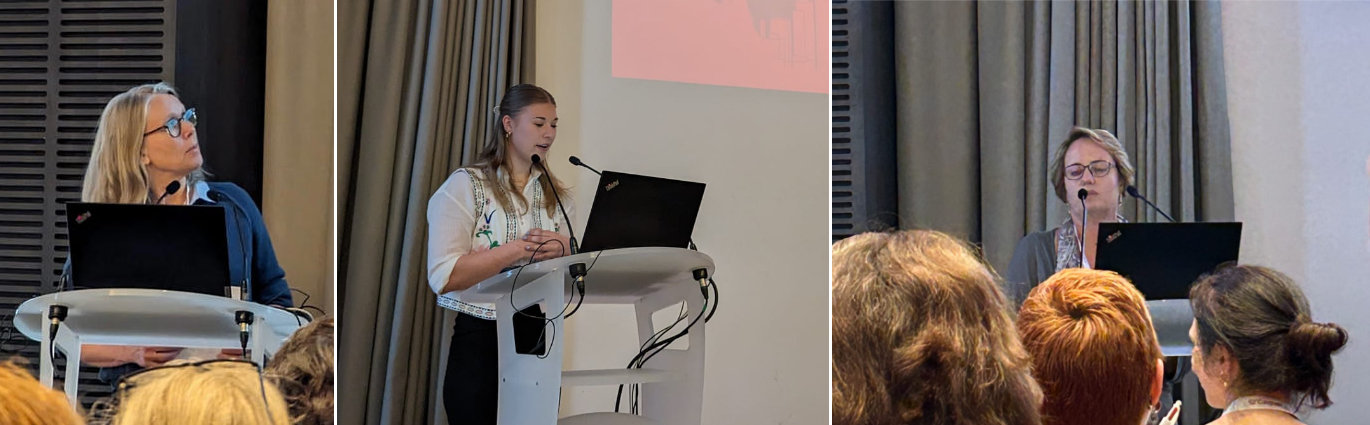
A day before the main congress, our Patient Ambassadors - Jill Prawer, Danique van den Bogert, and Cindy Evans - took center stage at the 7th EAS Paediatric FH Symposium! They shared their personal experiences of living with FCS, HeFH, and HoFH, respectively. From childhood diagnoses and daily challenges to participation in clinical trials, psychological burdens, and recent advocacy efforts, they covered it all.
Sharing personal details with a room full of strangers is emotionally challenging. Yet, each ambassador delivered a powerful narrative about their patient journeys, the burden of disease, and their hopes for the future. Their stories, unique as the individuals themselves, resonated with the audience, many of whom interact with patients in their daily practice. The patient ambassadors’ firsthand accounts added a human touch to the symposium, making it more informative and inspiring.
The participants’ feedback was overwhelmingly positive, appreciating the novel approach of including patient stories to complement scientific presentations. This approach underscores the importance of considering the patient as a whole.
Read more: https://eas-congress.com/2024/congress/paediatric-fh/
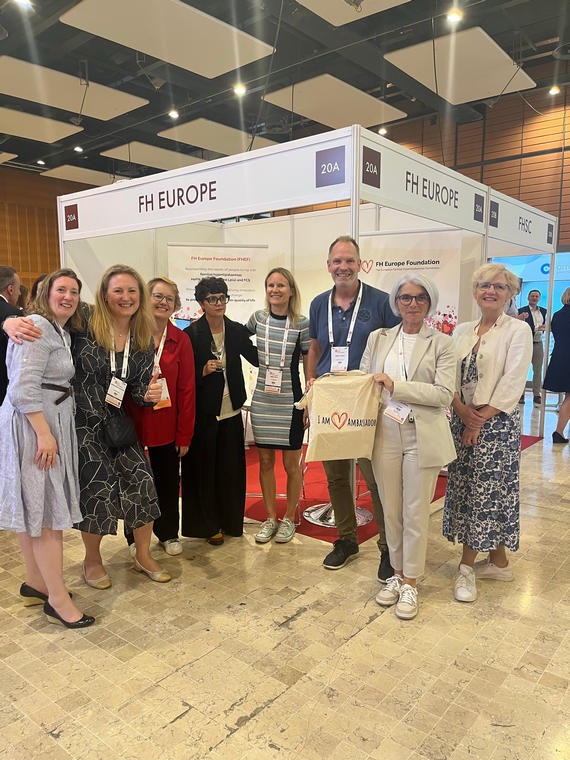
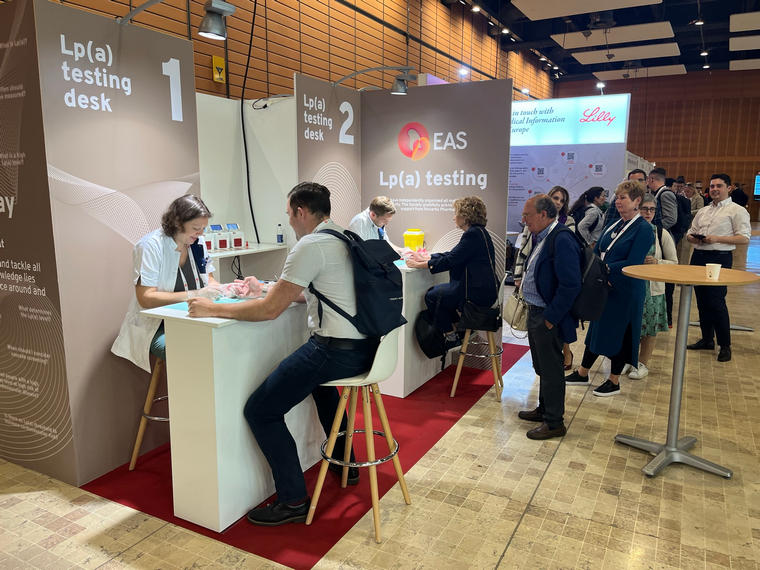
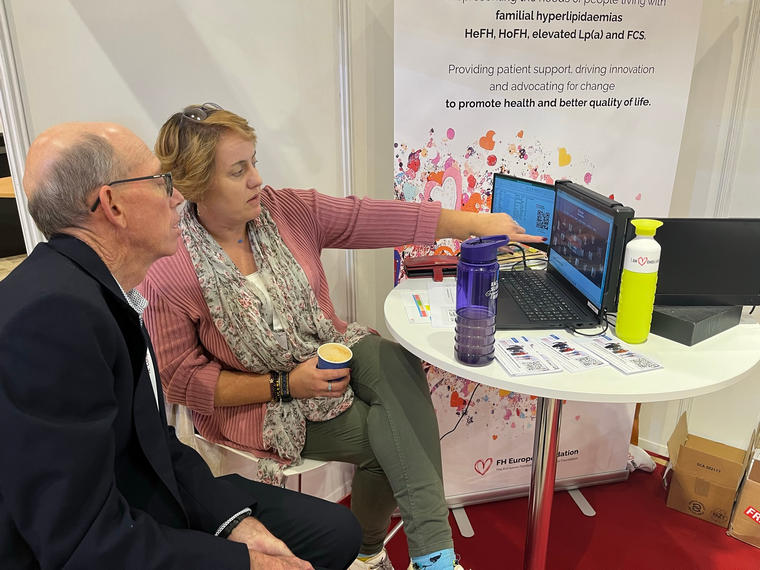
This year, the FH Europe Foundation was offered a dedicated booth space at the congress’ exhibition. After ensuring compliance with French law, our patient advocates were able to participate more meaningfully.
The booth’s strategic placement - next to our partner EAS FH Collaboration Studies team and opposite the Lp(a) testing station - was ideal. Free Lp(a) testing was offered to the congress participants, and those who tested were advised to visit our booth. There, they could meet with Patient Ambassadors, pick up patient leaflets on Lp(a), and learn more about managing the condition and preventing CVD while we await therapies.
The collaboration between the EAS and FHEF teams aimed to maximize visibility for the Patient Ambassadors, drive traffic to the booth, and enhance the experience for those undergoing the Lp(a) diagnostic journey. The booth turned into a hotspot for sharing, discovering, establishing new relations, meeting friends and partners, and initiating collaborations.
Our team engaged in an estimated 200 conversations, signed up newsletter recipients, disseminated information materials in several languages, and received inquiries from around the world. The booth was a brilliant engagement strategy!
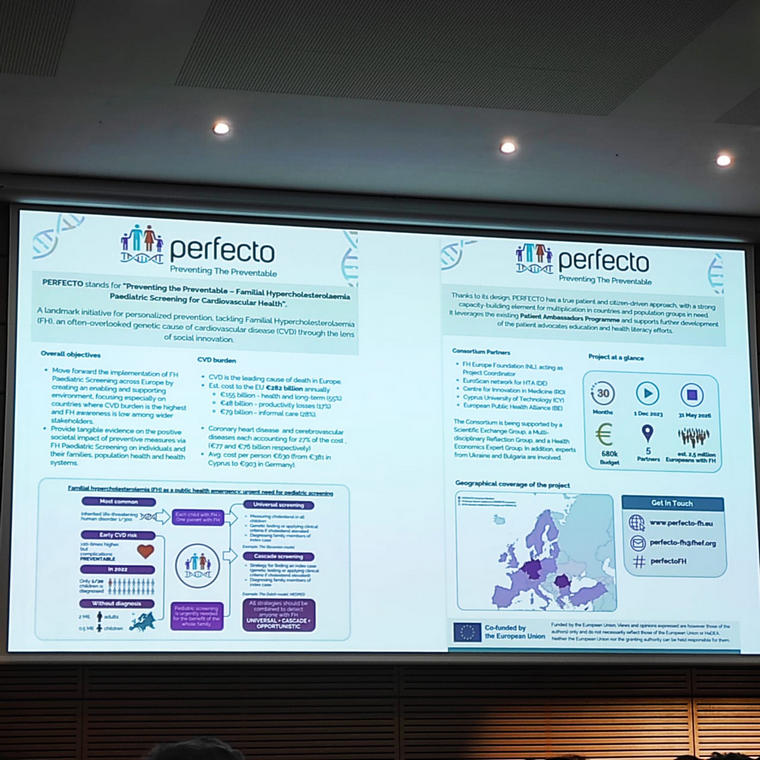
PERFECTO stands for “Preventing thE PReventable – Familial HypErCholesterolaemia paediaTric screening for cardiOvascular health”. The EAS Congress in Lyon was the first public opportunity to promote PERFECTO among the leading scientific and medical community involved in FH detection and treatment.
On Sunday, May 26, Magdalena Daccord presented the project at the EAS FHSC Steering Committee meeting inviting the investigators to participate in a dedicated PERFECTO survey. Information about PERFECTO was also presented at the FH Europe’s booth during the whole congress with electronically displayed information and leaflets distributed to the visitors.
PERFECTO is a project co-funded by the European Union. Views and opinions expressed are however those of the authors only and do not necessarily reflect those of the European Union or HaDEA. Neither the European Union nor the granting authority can be held responsible for them.
To learn more about PERFECTO please visit: www.perfecto-fh.eu
The annual congress also offered an opportunity to present in side-meetings and to hold several project meetings, leveraging the physical presence of key stakeholders in Lyon.
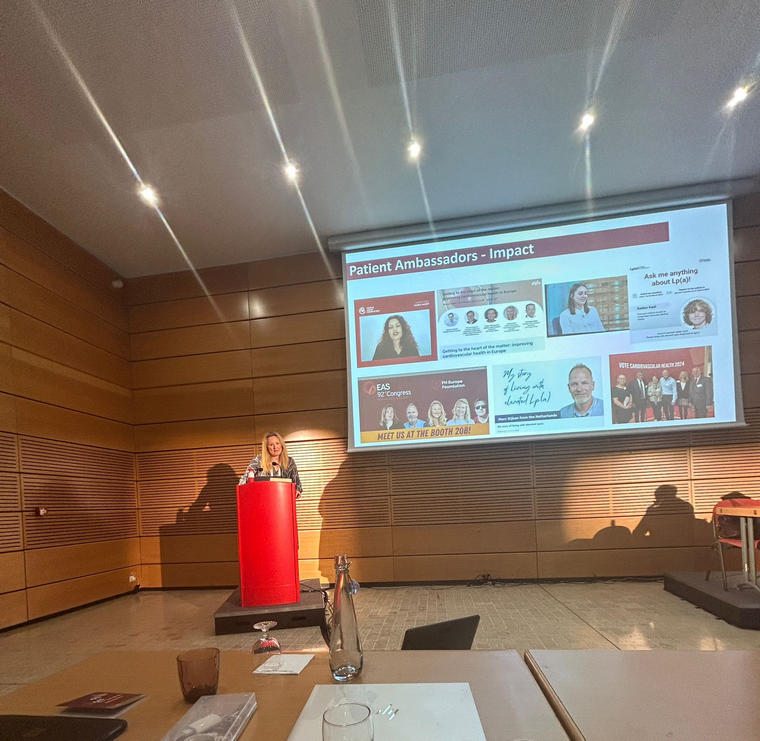
On Sunday morning, FHEF’s CEO, Magdalena Daccord presented the EAS FHSC Steering Committee Meeting. In her presentation, she emphasised the importance as well as the benefits of the meaningful patient engagement in awareness raising, education, research and policy.
She also she spotlighted the patient organisations, individual patients, caregivers and patient Ambassadors:
PERFECTO, as an example of the EU grant funded project around precision medicine and FH paediatric screening was presented with a CALL TO ACTION. An invitation to participate in a survey prepared by EuroScan in collaboration with Prof. Urh Groselj, Prof. Albert Wiegman, and Prof. Tomas Freiberger.
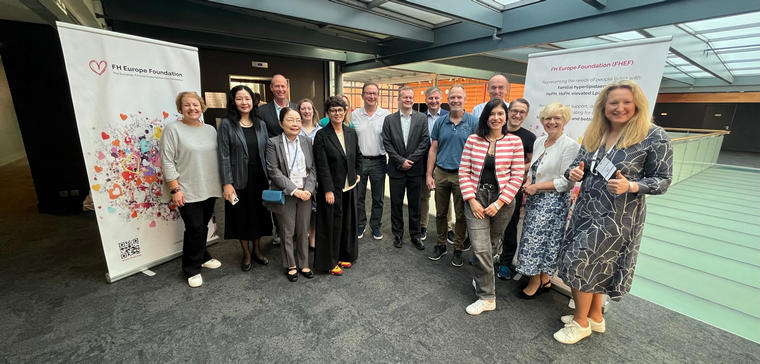
The EAS congress offered an opportunity to bring together members of the Lp(a) International Taskforce (ITF), who also attend the congress. Since the last face to face meeting at the ESC 2023 in Amsterdam, the group has grown by gaining additional health tech/innovation/patient perspective and a new industry observer!
The 2 days meeting was rich in discussions around topics of education/awareness about Lp(a), health economics model for Lp(a) testing, living labs application, quality of life in people with high Lp(a) and societal impact. The participants provided focused update presentations on the situation in Europe in general, then zooming in on Austria, Romania, and them moving onto Asia with China and Japan in focus. Then the latest available data regarding Lp(a) tests and testing uptake per country per capita across the globe was presented. The group investigated the very important topic of definition of primary vs secondary prevention in the context of public health policy, medical guidelines, research projects, and public perception.
The group concluded with a set of specific actions for the next 6 months and the year 2025, including the plan to host a Global Lp(a) Summit and to kick of the health economics project.
Elevated Lp(a) is becoming a topic of increased interest among stakeholders in the space of cardiovascular disease and cardiovascular health, research and development, public health policies. 1 in 5 people have elevated levels of lipoprotein (a), which is an independent CVD risk factor. It is genetic, inherited from our parents. Yet, no genetic testing is needed. A simple blood test will suffice. That said, not everyone with elevated Lp(a) will automatically have serious heart issues. Lp(a) levels need to be assessed against the backdrop of coexisting health issues and risk factors, like LDL cholesterol, hypertension, diabetes, lifestyle, etc.
Lp(a) ITF Members: Prof. Florian Kronenberg, Magdalena Daccord, Nicola Bedlington, Dr Marius Geanta, Prof. Zanfina Ademi, Dr Jean-Luc Eiselé, Bogi Eliasen, Dr Zhenyue Chen, Prof. Mariko Harada-Shiba, Marc Rijken, Dr Tobias Silberzahn, Dr George Thanassoulis.
Lp(a) ITF Observers: Victoria Tzouma (Amgen ), Christian Thonke (Novartis), Dr Andrija Janicijevic (Roche).
To find out more about the Lp(a) International Taskforce please visit: https://fhef.org/lpa-international-taskforce/
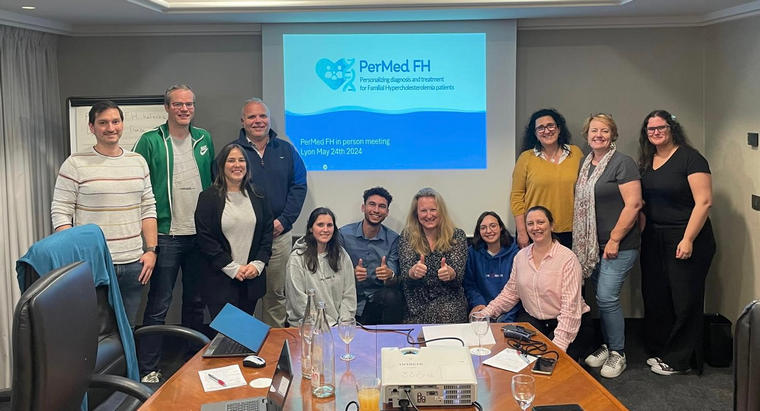
PerMedFH is much-needed research, aiming to demystify the issue of genetics in Familial Hypercholesterolaemia (FH). The end goal of this multiyear project is to personalise diagnosis and treatment for people with FH for better health outcomes.
The project consortium members, led by Prof. Mafalda Bourbon and her Team from Instituto Nacional de Saúde Doutor Ricardo Jorge, met in Lyon, France ahead of the European Atherosclerosis Society annual congress.
Following the first 5 months updates and readjustments consortium meeting, the first big task is to produce patient education materials helping understand the importance of patient engagement in genetic research. Education, awareness, understanding, trust and consent are critical in samples’ collection and (data) sharing which will advance innovation.
FHEF is proud to be part of this important research and to contribute with patient perspective as well as to lead the information dissemination and education part.
Partners of the consortium include Gilles Lambert from INSERM Université de La Réunion Simon Pfisterer from University of Helsinki Prof Eric Sijbrands from Erasmus MC and us FH Europe Foundation with Magdalena Daccord and Cindy. The project is funded by Fundación ”la Caixa” .
A dedicated project website is coming soon.
As we reflect on the European Atherosclerosis Society’s annual congress, it’s evident that collaboration between patients, advocates, and the medical community is essential. Patient Ambassadors bravely shared their stories, bridging the gap between science and lived experience. The FH Europe Foundation’s booth became a hub of engagement, fostering connections and disseminating vital information. And projects like PERFECTO and PedMed FH highlight the power of precision medicine in FH screening and management.
Let’s continue to work together, shaping a future where cardiovascular health is prioritized, and familial hypercholesterolemia becomes preventable. Our collective efforts can make a lasting impact on patients’ lives worldwide.