
Familial chylomicronaemia syndrome (FCS) is a rare inherited condition that causes extremely high levels of triglycerides (a type of fat) in the blood. It is present from birth, although symptoms may become apparent at different ages. The most serious complication is acute pancreatitis, which can be life-threatening. A carefully planned very-low-fat diet is central to management, and newer medicines have expanded treatment options for some adults. [1,2]
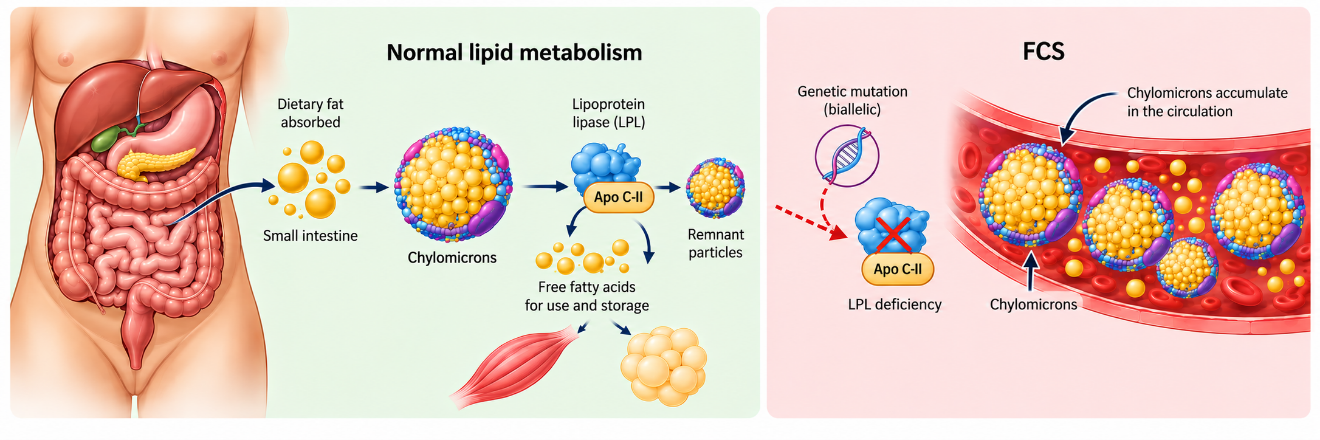
Ask your healthcare team what your result means, which units your laboratory uses and what monitoring is appropriate for you. Higher triglyceride levels increase pancreatitis risk, but symptoms cannot be predicted from a single number. [2]
FCS is present from birth, but symptoms do not always begin in childhood. Some people experience problems in infancy or early childhood; others first notice symptoms during adolescence or adulthood. Symptoms can be intermittent, and diagnosis may be delayed for years. Not everyone with FCS has experienced pancreatitis, but the risk remains important even between episodes. [1]
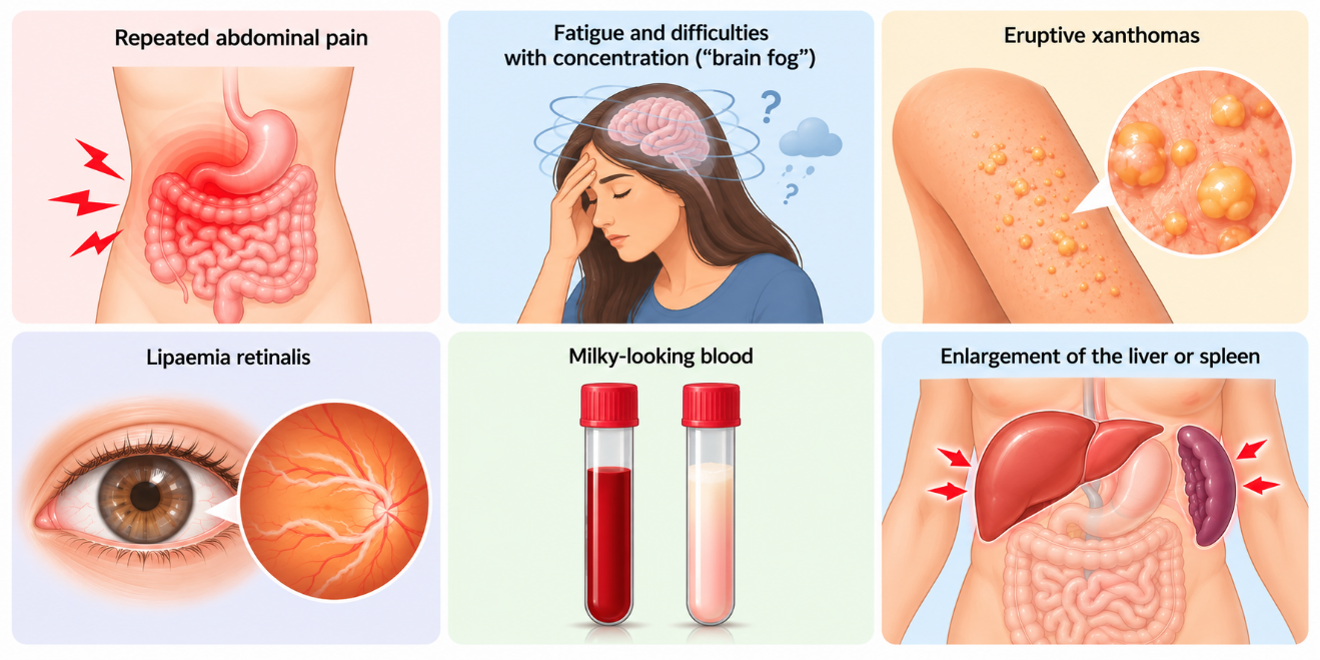
FCS affects people differently. Possible manifestations include: [1]
MENTAL HEALTH
The day-to-day impact of FCS may also include anxiety about food, social isolation and emotional distress. These experiences deserve recognition and support, even when they are not visible to others. [1]
Acute pancreatitis is inflammation of the pancreas and is the most serious recognised complication of FCS. It may cause sudden or severe upper abdominal pain, often with nausea and vomiting, and can require hospital treatment.
Repeated attacks may cause chronic pancreatitis, problems digesting food (pancreatic exocrine insufficiency) and diabetes resulting from damage to the pancreas (sometimes called type 3c or pancreatogenic diabetes). [1,2]
IMPORTANT
Severe or persistent abdominal pain, particularly with vomiting, requires urgent medical assessment. Do not assume that it is simply a usual FCS symptom.
Classical FCS should not be assumed to carry the same cardiovascular risk profile as more common forms of high triglycerides. Individual cardiovascular risk should be assessed separately with a healthcare professional. [1,2]
FCS may be suspected when repeated blood tests show very high triglyceride levels, especially in someone with recurrent unexplained abdominal pain or pancreatitis. A lipid specialist will review medical and family history, blood results, possible secondary causes of high triglycerides and response to previous treatments. [1,2]
Genetic testing can identify disease-causing variants in genes involved in the LPL pathway and confirm a molecular diagnosis. A negative or inconclusive result may require further specialist assessment rather than automatically ruling out the condition. Clinical scoring tools may help identify people who need further investigation. Distinguishing FCS from MCS matters because management and response to medicines can differ. [1,2]
A carefully planned very-low-fat diet is the cornerstone of FCS management. The precise limit should be agreed with a specialist dietitian and clinical team. Many recommendations describe restricting fat to less than 10–15% of daily energy intake; some people may be advised to aim for around 10–20 g of fat per day or a different individual target. Children and pregnant women need particular attention to nutritional requirements. [1,3]
All dietary fat counts towards the daily limit—not only saturated fat. Olive oil, avocado, nuts, seeds, butter, cheese, dressings, sauces and fats used in cooking must all be considered. Alcohol should be avoided, and intake of added sugars and refined carbohydrates may also need attention. [1,3]


Because the diet is highly restrictive, support from an FCS-experienced dietitian is essential to ensure sufficient calories, essential fatty acids, fat-soluble vitamins and other nutrients, particularly during growth, pregnancy or illness. Do not change a child’s diet without specialist advice. [1,3]
Treatment aims to reduce triglyceride levels, prevent pancreatitis and improve quality of life. Conventional triglyceride-lowering medicines such as fibrates and standard omega-3 preparations often have limited effectiveness in classical FCS because the LPL pathway is severely impaired. Diet remains essential, even when medication is prescribed. [1]
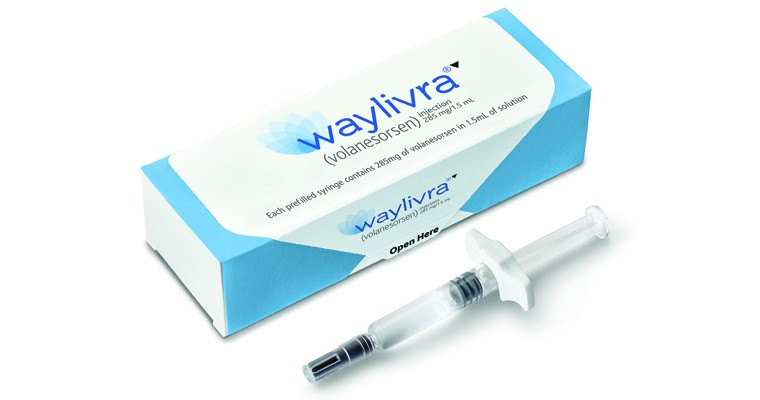
Medicines targeting apolipoprotein C-III (apoC-III), a protein involved in triglyceride metabolism, have expanded treatment options. Clinical trials of olezarsen and plozasiran have demonstrated substantial triglyceride lowering and evidence of benefit for pancreatitis-related outcomes. [4]



IMPORTANT
The exact indications, monitoring requirements and eligibility criteria differ between medicines. Availability and reimbursement also vary by country.
Discuss the current options with your specialist; approval does not mean a medicine is suitable or accessible for everyone.
ANGPTL3 (angiopoietin-like protein 3) is another potential therapeutic target. New treatments designed to block this protein are being investigated to lower triglyceride levels. However, their effectiveness appears to depend on some remaining lipoprotein lipase (LPL) activity, which is often absent in people with FCS. Their potential benefit for FCS therefore remains uncertain and requires further research.[4] Lomitapide, a medicine approved for homozygous familial hypercholesterolaemia (HoFH), has also been studied in people with FCS and shown substantial reductions in triglyceride levels. However, further investigation is needed to establish its long-term safety and effectiveness in FCS.
Looking ahead, gene-editing technologies such as CRISPR-Cas9 could offer new treatment possibilities for FCS by modifying genes involved in triglyceride metabolism, potentially providing longer-lasting benefits. However, these approaches are still experimental, and further research is needed to establish their safety and effectiveness in people living with FCS. [4]
FCS affects far more than a blood test.
Planning every meal, checking ingredients, managing food at work or school, travelling and eating with others can be exhausting. Recurrent pain and the fear of pancreatitis may affect confidence, mental wellbeing and participation in everyday life. Practical advice, psychological support when needed and contact with others who understand FCS can help. [1,3]
Families caring for a child with FCS face the challenge of meeting nutritional needs while allowing the child to grow, learn and take part in everyday activities. School meals, birthday parties, sports trips and holidays often require advance planning. Sharing a clear dietary plan with teachers, school catering teams and other caregivers can help create a safer and more inclusive environment. [3]
During adolescence, young people may want greater independence in choosing food and managing appointments. Supportive conversations, practical skills and planned transition to adult services can help them take increasing responsibility without feeling isolated. [3]
Triglyceride levels normally rise during pregnancy. In people with FCS, this can increase the risk of severe hypertriglyceridaemia and pancreatitis. Anyone with FCS who is planning a pregnancy or becomes pregnant should seek early advice from a multidisciplinary team, including specialists in lipid disorders, obstetrics and nutrition. Dietary needs, monitoring and the safety of any medicines should be reviewed individually. In selected severe situations, specialist teams may consider additional hospital-based treatments. [1]
FH Europe Foundation works with patient organisations and healthcare professionals to support people affected by inherited lipid conditions.
Meet people from around the world affected with FCS. The purpose of this video is to share real experiences of different people affected with the condition. Please note some people might find some of the stories very impactful.


Visit https://findmylipidclinic.com to find a specialised lipid clinic close to you. And if you know of a clinic or a specialist, not listed on this website, do get in touch with the host to update it. This will improve the service and provide the much-needed help to other families affected with FCS.
Become an ambassador and connect with other FCS patients from around the world to exchange, learn, and support each other. FH Europe Foundation offers educational support to patients and caregivers who wish to become certified ambassadors to be actively involved in awareness raising and advocacy.
For more information contact elsie@fheurope.org
